Smart Investing for Beginners
Learn how to read market movements, understand investment risk, use live stock market charts, and avoid common investment scams before making financial decisions.
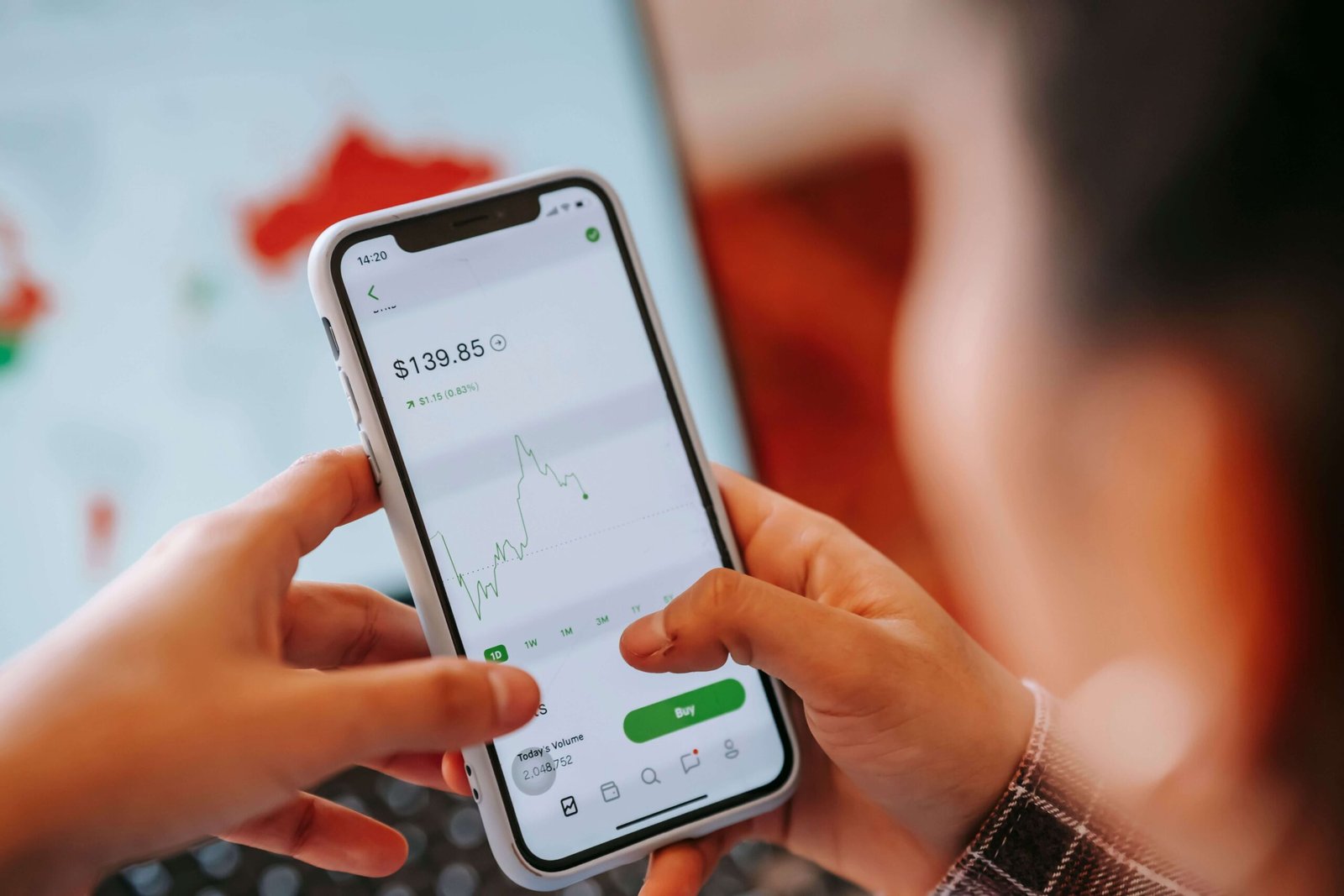
Live Global Market Dashboard
Monitor major market movements in one place. This dashboard helps investors observe stock indexes, crypto assets, forex pairs, commodities, and important market sentiment.
Important: Live charts can help you understand market direction, but they cannot guarantee future profit. Always combine market data with research, risk management, and a clear investment plan.
What Is Smart Investing?
Smart investing means using a clear plan before putting money into any asset. It is not about following hype, guessing the next winner, or believing every profit screenshot on social media.
For beginners, the first goal is not to become rich quickly. The first goal is to understand how money works, how markets move, how risk affects your decisions, and how to protect your capital.
A beginner investor should learn the difference between saving, trading, investing, speculation, diversification, and risk management. These basic concepts can help you avoid emotional decisions when the market becomes volatile.
Beginner Investment Principles
Understand the asset
Never buy an investment product just because someone says it will go up. Know what you are buying and why it has value.
Manage your risk
Do not put emergency money into risky assets. Every investment can go down, even when the long-term outlook looks positive.
Think long term
Many investors lose money because they want instant results. Long-term investing requires patience, discipline, and consistency.
How Beginners Can Read the Market
Market charts are useful because they show price movement, trend direction, volatility, and investor sentiment. But a chart should be used as a tool, not as a guarantee.
Trend
A trend shows whether an asset is generally moving up, down, or sideways. Beginners can start by observing higher highs, higher lows, and major support or resistance areas.
Momentum
Momentum helps investors understand whether price movement is strong or weak. Strong movement with volume can show greater market interest.
Macro events
Interest rates, inflation, employment data, central bank decisions, and global news can affect stocks, forex, crypto, and commodities.
Simple Market Reading Framework
- Check the major index: Look at S&P 500, Nasdaq, Dow Jones, or the local index to understand broad market sentiment.
- Compare sectors: Use heatmaps to see which sectors are strong or weak.
- Watch currency and gold: USD movement, gold, and oil can influence market expectations.
- Read the economic calendar: Important data releases can create volatility.
- Control your position size: Never risk money you cannot afford to lose.
Beginner reminder: A rising chart does not always mean you should buy. A falling chart does not always mean the asset is bad. Good investors combine chart reading, fundamental research, and risk management.
Common Investment Platforms for Beginners
The right investment platform depends on your country, regulation, financial goal, risk tolerance, and the asset you want to buy.
| Platform Type | Suitable For | Beginner Notes |
|---|---|---|
| Stock Broker | Buying individual stocks and ETFs. | Choose a broker that is officially licensed in your country. Understand trading fees, account security, and withdrawal rules. |
| Mutual Fund Platform | Beginners who want diversified exposure without picking individual stocks. | Read the fund objective, risk level, fees, asset allocation, and historical performance before investing. |
| Robo-Advisor | Investors who want automated portfolio allocation. | Check management fees, investment strategy, regulation, and how the platform chooses assets. |
| Crypto Exchange | High-risk investors who understand volatility. | Crypto prices can move very quickly. Use strong security, avoid leverage as a beginner, and never invest only because of hype. |
| Gold Platform | Long-term value storage and diversification. | Make sure the provider is legal, transparent, and offers clear ownership or withdrawal rules. |
Investment Assets Beginners Often Learn First
Stocks ETFs Mutual Funds Bonds Gold Crypto Forex Real Estate
Do not choose a platform only because someone in a WhatsApp group recommends it. Always check legal status, company background, withdrawal process, fees, and risk before depositing money.
Investment Scam Warning Signs
Investment scams often look professional. They may use attractive websites, luxury lifestyle photos, profit screenshots, testimonials, and private groups to create trust.
The safest mindset is simple: if someone promises high profit with little or no risk, you should be very careful. Real investments always involve risk.
Red Flags You Should Not Ignore
🚩 Guaranteed high returns
Any offer that promises fixed high profit with no risk should be treated carefully.
🚩 Pressure to join quickly
Scammers often use phrases like “limited slots”, “only today”, or “last chance”.
🚩 Profit from recruitment
If income mainly comes from recruiting new members, it may be a dangerous scheme.
🚩 Personal bank transfer
Be careful when a platform asks you to send money to a personal account instead of an official company account.
Protect yourself: Never share OTP, banking password, private wallet keys, identity documents, or remote access to your device with strangers.
Smart Investor Checklist
Before investing your money, use this simple checklist to avoid emotional decisions.
Legal check
Is the company officially registered or licensed in your country?
Risk check
What can go wrong, and how much money can you afford to lose?
Product check
Do you understand the asset, fees, withdrawal rules, and market risk?
Return check
Is the return realistic compared with normal market conditions?
Diversification check
Are you putting all your money into one asset or spreading risk wisely?
Emotion check
Are you investing based on research, or only because of fear of missing out?
Frequently Asked Questions
Is investing safe for beginners?
Investing can be useful for long-term financial growth, but it is not risk-free. Beginners should start with education, small amounts, and legal platforms before taking bigger risks.
Can live charts predict the market?
Live charts can help investors read trends, price movements, and volatility, but they cannot predict the future with certainty. Use charts as one part of your research, not as the only decision tool.
What is the safest investment strategy for beginners?
A safer beginner strategy usually includes learning first, avoiding debt, keeping emergency savings separate, diversifying assets, and investing only in products you understand.
How do I know if an investment offer is a scam?
Be careful with guaranteed high returns, pressure to join quickly, unclear business models, recruitment-based income, unlicensed platforms, and requests to transfer money to personal accounts.
Should beginners invest in crypto?
Crypto is highly volatile and not suitable for everyone. Beginners should understand the risks, avoid leverage, use secure platforms, and never invest money they cannot afford to lose.
Final Thoughts
Smart investing starts with education. Use market data, understand risk, avoid scams, and make decisions based on research instead of hype.
Disclaimer: This page is for educational and informational purposes only. It is not financial advice, investment advice, or a recommendation to buy or sell any asset. Market prices can change quickly, and all investments involve risk.